
Bone Grafting in La Jolla
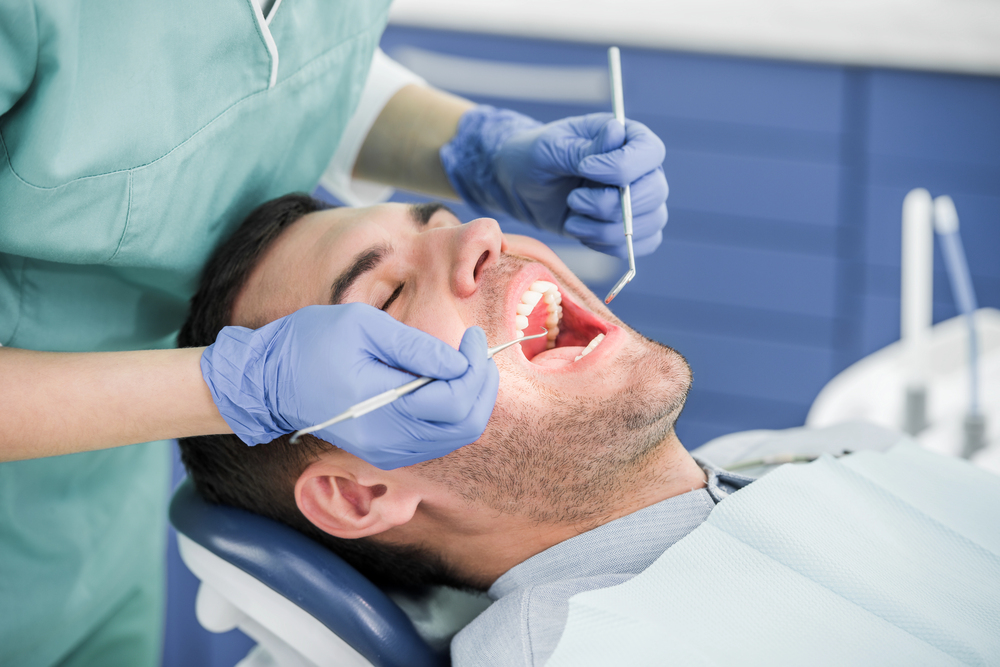
When a tooth has been missing for a while, the jawbone that once held its root begins to shrink. It's a quiet process — no pain, no obvious signs — but over months and years it can leave too little bone to anchor a dental implant, change the way a denture fits, or subtly alter the contour of the lower face. Bone grafting is how we rebuild that foundation, and for our La Jolla patients it's often the step that makes a permanent, natural-looking tooth replacement possible.
A bone graft adds volume to an area of the jaw where bone has thinned, been lost to infection or injury, or never fully developed. The grafting material acts as a scaffold: your body gradually replaces it with your own living bone, creating a stable, solid base. Once that base has matured, it can hold a dental implant securely, support the surrounding gum tissue, and help preserve the shape of your jaw.
We see this need come up in several distinct situations. Some patients come to our studio after an extraction and want to protect the site before any shrinkage begins. Others lost a tooth years ago, learned recently that they're interested in implants, and discovered the bone has since receded. Some have worn a removable denture for a long time and are now exploring All-on-4 or All-on-6 implant solutions, which require enough bone in the right places to work well. Grafting quietly makes each of those paths viable.
Because our practice was built around planning cosmetic dentistry and facial aesthetics together rather than in isolation, we tend to look at bone grafting as more than a technical prerequisite. Bone supports gum tissue, gum tissue frames teeth, and teeth support the lower third of the face. A well-planned graft protects all of that.
Here's what bone grafting can do for the right patient:
- Create the stable foundation an implant needs to stay secure long term
- Preserve the natural ridge shape after a tooth is removed
- Help avoid the sunken appearance that can follow long-term bone loss
- Improve how surrounding teeth and restorations look where they meet the gumline
- Expand your treatment options, including full-arch implant solutions
Not everyone who is missing a tooth needs a graft, and we'd rather tell you that honestly than recommend a procedure you don't need. Candidacy depends on how much bone remains, where it's located, the condition of your gums, your overall health, and the restoration you ultimately want. A complimentary consultation is where we sort that out — you'll get an explanation of what we see and what your realistic options are before you commit to anything.
What the Process Looks Like
Treatment begins with evaluation and planning. We assess the site, discuss the final result you're hoping for, and work backward from there, because the goal of the graft is determined by the restoration it will eventually support. When a tooth still needs to be removed, grafting is often performed at the same appointment, which usually means one procedure instead of two.
The graft itself is done with the area thoroughly numbed. We place the grafting material into the deficient site, protect it, and close the tissue. Most of the work after that happens on its own: over the following months, your body remodels the graft into your own bone. Timelines vary from person to person and depend on how much volume was rebuilt, so we set expectations for your specific case rather than quoting an average.
Recovery and Aftercare
The first few days call for some care. Expect mild swelling and tenderness, stick to softer foods, and avoid disturbing the surgical site with vigorous rinsing, straws, or smoking. We'll send you home with written instructions and a clear description of what normal healing feels like, so you know what to watch for and when to call us.
After the initial healing, aftercare becomes simple: gentle cleaning around the area, keeping up with your regular hygiene, and returning for follow-up visits so we can confirm the graft is maturing as expected. When it's ready, we move forward with the implant or restoration we planned from the beginning.
Scheduling and Payment for La Jolla Patients
We're a fee-for-service studio and don't participate with insurance, which lets us plan treatment around what your case actually calls for rather than what a plan will authorize. We welcome self-pay patients, and financing is available through Cherry if you'd prefer to spread the cost over time.
Along with La Jolla, we care for patients from Del Mar, Encinitas, Solana Beach, and greater San Diego. If you're weighing an extraction or considering implants, start with a complimentary consultation — we'll walk you through what your jaw needs and what comes next.